What to Do When a Pipe Bursts
The first ten minutes matter more than anything a plumber does later. Tucson Emergency Plumbing sets out the order to work in: stop the water, deal with the electrical risk, protect what you can reach safely, and leave the rest alone.
- Plumbing Referral Service
- Independent Pros
- Availability Varies
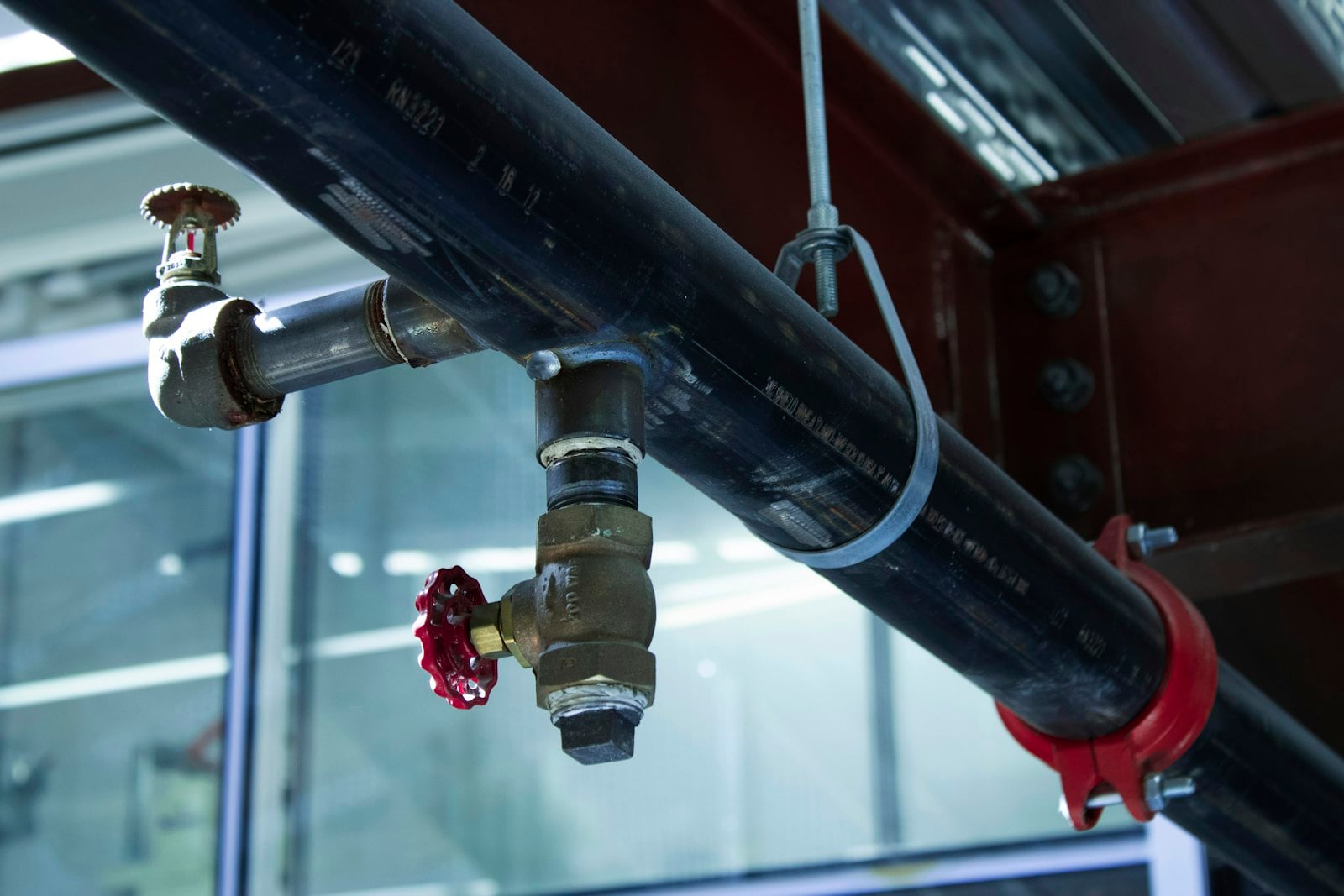
Step One: Shut the Water Off
Everything else is secondary. Until the supply is closed, the damage keeps growing, and a pipe under normal household pressure moves a surprising amount of water in a few minutes. Work from the closest valve outward. If the failure is at a fixture, there is usually an angle stop under the sink or behind the toilet that isolates just that fixture. If you cannot tell where the water is coming from, or the leak is inside a wall or a ceiling, go straight to the main.
In most Tucson-area homes the main shutoff sits on the supply line where it enters the house at the front, often near a hose bib, and plenty of houses have a second valve in the garage at the water softener loop. Turn it clockwise, firmly but without forcing it. If that valve will not move or does not exist, the other option is the valve inside the meter box near the street, which normally needs a meter key. A long screwdriver or a pair of pliers is not the right tool and you can damage the meter.
Step Two: Deal With the Electrical Risk
Water and power together are the part of this that actually hurts people. Do not walk through standing water that is near outlets, extension leads, power strips or an appliance that is plugged in. If water is coming through a ceiling into a light fitting or a fan, stay out of that room and do not switch anything on or off in it. If your electrical panel is dry, easy to reach and nowhere near the water, switching off the affected circuits is reasonable. If it is not, leave it and wait.
Step Three: Limit the Damage You Can Reach Safely
Once the water is off and the electrical risk is handled, lift what you can. Get boxes, rugs, electronics and anything made of chipboard off the wet floor, because those absorb water fast and stop being salvageable within hours. Open interior doors so air moves. If a ceiling is bulging or sagging with trapped water, stay underneath nothing and do not poke it; a ceiling holding water can come down all at once and it is heavier than it looks.
Take photographs before you start moving things and again as you go. Wide shots of each room, then close-ups of the pipe, the fixture and the damage. If there is an insurance claim later, the photos taken in the first hour are worth more than any description written afterward.
What Not to Do
Do not try to tape, clamp or glue a pressurized line back together. Do not restore the water to see if the repair held. Do not attempt to solder anything in a wet space, and do not take a water heater apart or drain a hot tank yourself. If a gas appliance is involved and you smell gas at any point, leave the building and call the gas utility from outside rather than investigating.
Why Pipes Fail in Tucson
Freezing is the one everybody expects, and here it is real but seasonal. The Tucson valley sits higher and cooler than the desert further north, and a hard winter night reaches the things that were never insulated: outdoor hose bibs, irrigation and backflow assemblies, lines running along an exterior wall and supply tubing to a rooftop evaporative cooler. Those are the failures that appear the morning after a cold snap, sometimes only once the ice thaws.
The rest of the year, pipes fail for other reasons. Galvanized supply lines in older midtown houses corrode from the inside until the wall gives way. Gray polybutylene pipe, common in homes built between the early 1980s and the mid-1990s, becomes brittle with age and tends to let go at its fittings without warning. Copper running under a slab develops pinholes as very hard water works on it from the inside and soil works on it from the outside. High supply pressure and a pipe that has rubbed against framing for decades finish the list. Houses in areas like the Catalina Foothills, where original plumbing from the 1950s and 1960s is still in service, see the age-related versions most often.
Arrange an Inspection
Once the water is off, the useful thing is a proper look at what failed and why, because a run that has given way once in aging pipe rarely stops at once. Ask the independent plumber to locate the break, repair or replace the section and tell you plainly whether the rest of that run is on the same path. Read what the repair involves on our burst pipe repair page, see how a slow loss is traced under leak detection, check what a visit looks like start to finish in how it works, or call the number now.